A hybrid that came for survival and stayed for icewine
Vidal doesn't dominate Ontario icewine by accident — it was bred for cold, and its skin is why it survives the wait.
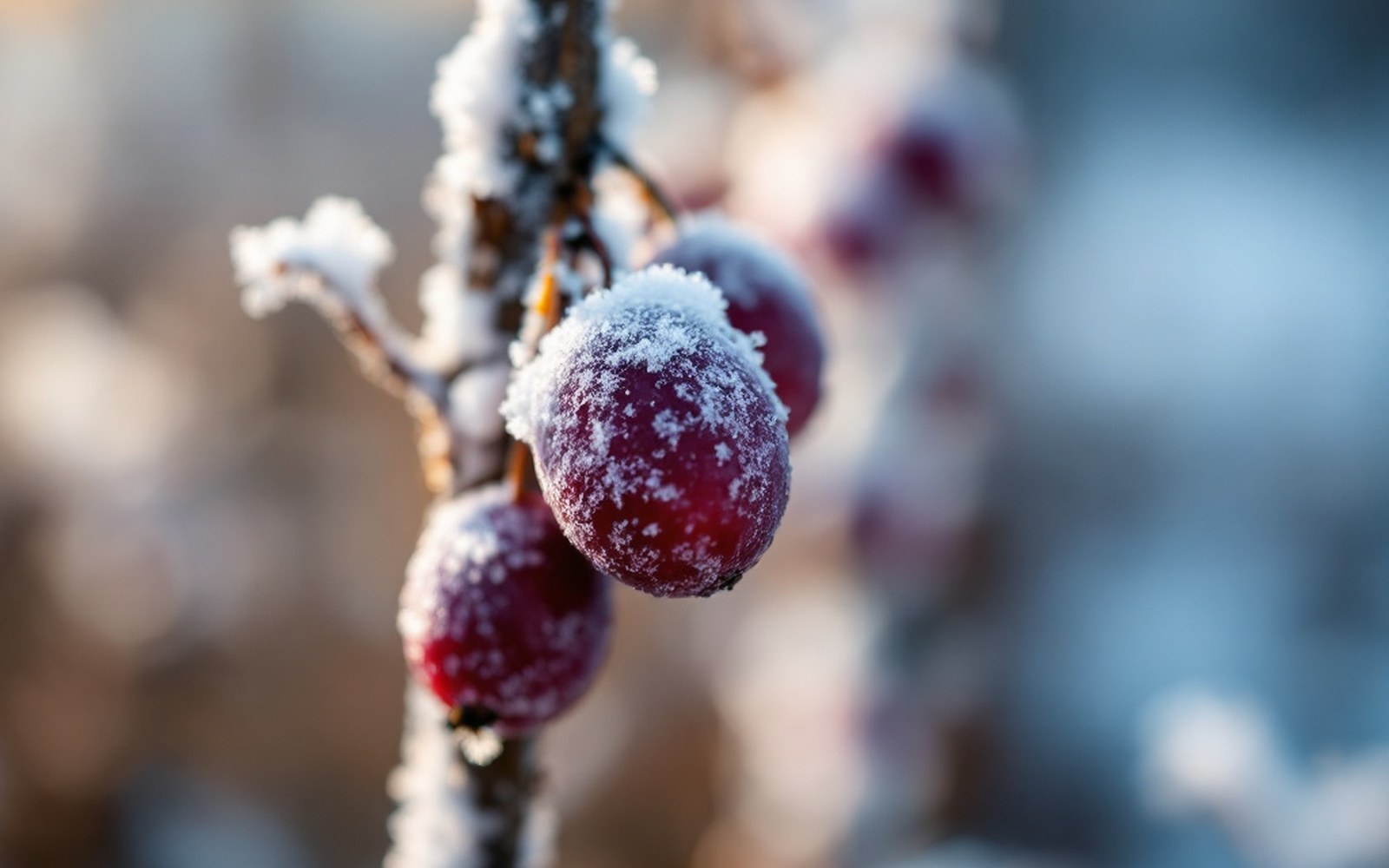
Thick-skinned fruit that hangs through freezing weather without splitting: why Vidal dominates icewine.
What Vidal is
Vidal Blanc — to give it the name its French breeder Jean-Louis Vidal registered in the mid-twentieth century — is a hybrid: a cross between a Vitis vinifera variety and a more cold-hardy species. The vinifera parent is Ugni Blanc, the thin-skinned workhorse of Cognac and Armagnac. The other parent is Rayon d'Or, itself a complex hybrid carrying genes from American Vitis species. That American inheritance is what matters on a January night in the Niagara Peninsula.
The grape came to Ontario not because anyone was building an icewine programme — icewine was barely legal here yet — but because it survived. In a period when winter kill ended vinifera plantings routinely, Vidal's thick skin and high natural acidity made it a pragmatic choice. It ripened reliably, held sugar, and did not split in frost. Those qualities answered a different problem than the one it would eventually define.
The skin that changes everything
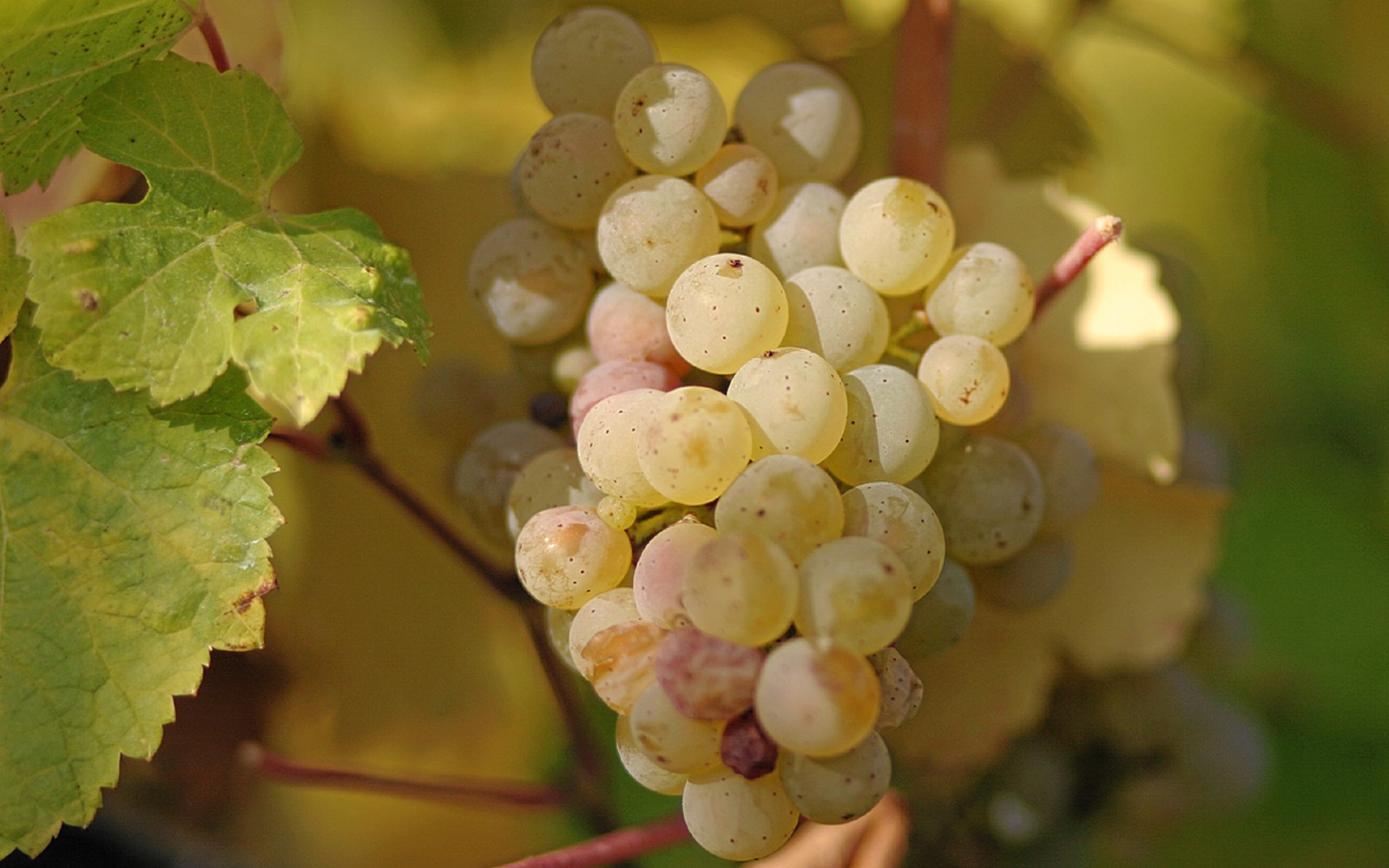
What makes Vidal peculiar, measured against the icewine brief, is its skin thickness relative to pulp volume. Where thin-skinned varieties — Riesling, Gewürztraminer, even Cabernet Franc — begin to desiccate, split, or succumb to botrytis when left hanging through November and into December, Vidal's thicker epidermis resists. The berry shrinks as water evaporates, concentrating sugars, but it holds together. Growers can wait.
Waiting is not passive. The icewine rule under VQA requires harvest and pressing while the fruit is naturally frozen at or below −8 °C — no artificial refrigeration permitted. In most vintages that moment arrives in December or January. Vidal hangs on the vine through that entire interval, exposed to whatever the season delivers: freezing nights, warm afternoons that partly thaw the clusters, rain, birds, wasps. The skin is the vine's only defence, and it is sufficient often enough to make the gamble commercially viable in a way it simply is not with vinifera varieties.
Riesling icewine exists in Ontario, and it is made with great care, but the attrition rate between harvest decision and actual picking is higher. The industry's volume answer — the wine in the small bottle that Ontario is internationally known for — is Vidal.
What it gives up
Vidal is not a neutral vehicle. Its flavour profile runs to tropical fruit, peach and apricot rather than the steelier, more mineral register of Riesling. Critics who find Riesling icewine more intellectually interesting are usually measuring exactly that difference: Vidal's aromatic generosity reads as less complex under scrutiny, its acid — though genuine — less cutting. This is partly the grape and partly the concentrated sugar levels that icewine demands; at the Brix readings required for harvest, nuance is fighting a steep gradient.
The grape came to Ontario not because anyone was building an icewine programme — icewine was barely legal here yet — but because it survived.
The Brock University Cool Climate Oenology and Viticulture Institute ↗ has documented Vidal's performance across multiple seasons, tracking how degree days and hang time interact with final must composition. The consistent finding is that Vidal's skin integrity, more than any other single variable, determines whether a grower makes it to the harvest window with enough fruit to press.
A grape that found its purpose
Vidal arrived as a survival crop and became a signature one, which is an unusual arc. The Vintners Quality Alliance ↗ codified its role when it established production rules for Ontario icewine: the grape category "Vidal" appears by name in the appellation framework because the market and the vine had already decided what it was for before the regulation caught up.
Whether that role is a ceiling or a foundation depends on what question you are asking. For the grower staring at a vine in mid-December, waiting for the thermometer to reach −8 °C, a grape that still has fruit on it is not a compromise. It is the whole point.