The hybrids that were here first
Before Riesling, before Chardonnay, before anyone called this a cool-climate discipline, there was Baco Noir.
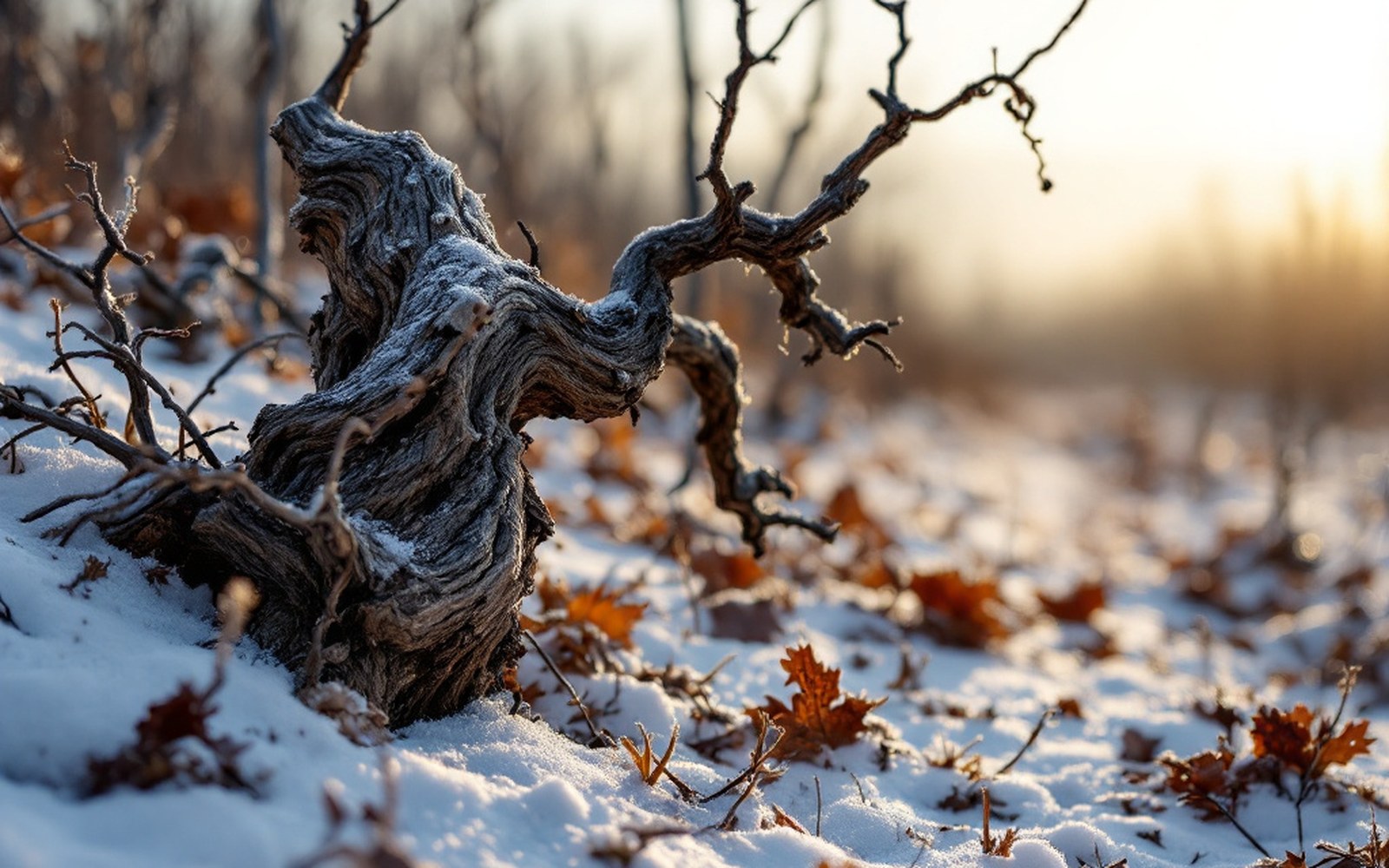
Old hybrid wood. These vines were planted before the classification that cannot accommodate them.
Two grapes that survived what vinifera couldn't
Baco Noir and Maréchal Foch arrived in Ontario vineyards decades before the Vintners Quality Alliance existed to classify anything. Both are French-American hybrids — crosses between Vitis vinifera and North American Vitis species — bred specifically for climates where European varieties could not be relied upon to survive the winter. Baco Noir was developed by François Baco in France at the turn of the twentieth century; Maréchal Foch, named for the Allied commander Ferdinand Foch, came from Alsatian breeder Eugène Kuhlmann around the same period. Neither was ever intended as a stopgap. They were the answer.
In Ontario, that answer made practical sense. Winter kill — the death of vinifera canes and root systems in deep cold — was a constant threat, and hybrid rootstocks and genetics offered genuine cold-hardiness without the labour-intensive protection that vinifera demanded. Through the mid-twentieth century, hybrids dominated the Niagara Peninsula. They filled the vineyards that eventually became the foundation of the province's wine industry.
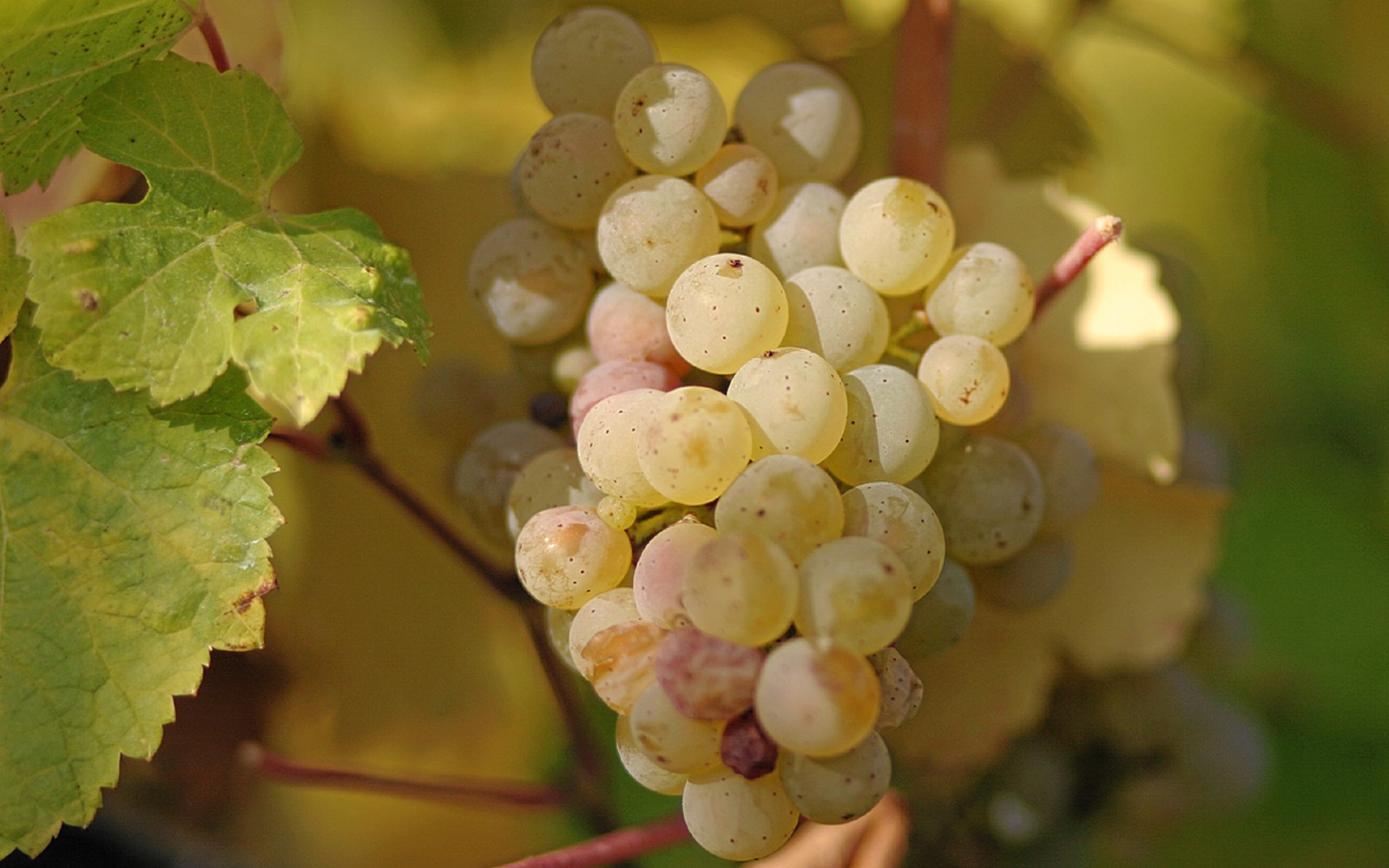
What happened next is a familiar story in cool-climate wine regions worldwide: as VQA standards took shape after 1988, the appellation framework was built around vinifera. Ontario's VQA rules require that wines bearing a Designated Viticultural Area on the label be made entirely from approved vinifera varieties. Baco Noir and Maréchal Foch, however well-made, cannot carry that designation. They are sold under the broader "Ontario" category, which does not confer the same cachet — or the same shelf position at the LCBO.
And yet they persist, and not merely out of sentiment. Baco Noir, in particular, produces wines of genuine depth in cold vintages when later-ripening reds struggle. Its thick skins and high natural acidity suit the cool growing season well; the grape accumulates colour reliably and resists rot. Maréchal Foch ripens even earlier, giving growers the security of harvest before autumn deteriorates. Several producers in the Niagara Peninsula continue to work with both, and the wines — inky, firm, not always elegant, but serious — find a following ↗ among drinkers who never cared much for classification in the first place.
The irony is structural: the grapes that kept Ontario viticulture alive long enough for vinifera to arrive are the ones the resulting system could never quite accommodate.
Through the mid-twentieth century, hybrids dominated the Niagara Peninsula.